Underground Pipe Replacement in Denver, CO
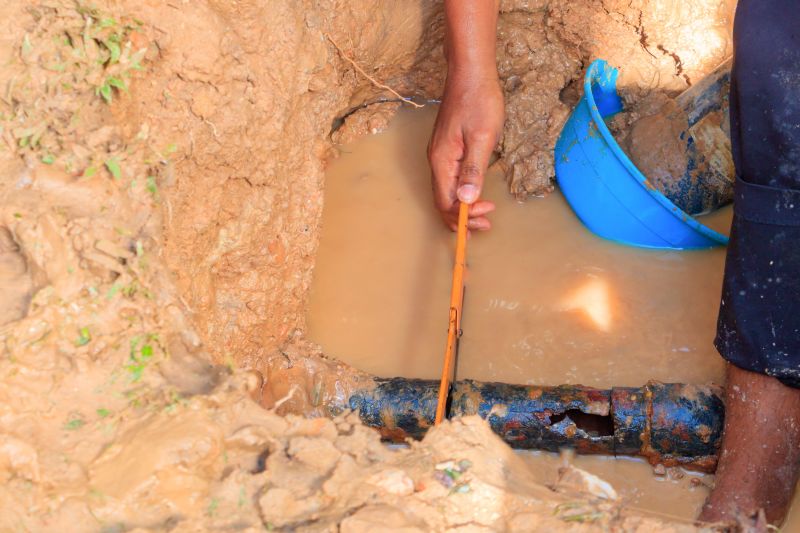
Underground pipe replacement services involve removing and replacing damaged or aging pipes that are buried beneath a property’s surface. This work typically addresses issues such as persistent leaks, frequent clogs, or pipe deterioration caused by corrosion or shifting soil. Projects can include replacing water lines, sewer lines, or drainage pipes, often requiring careful excavation and restoration of landscaping or paved areas. Property owners should understand the scope of the work, including potential disruptions to outdoor spaces and the importance of accurate pipe location to avoid unnecessary damage during the replacement process.
Homeowners considering underground pipe replacement usually want to know about the signs indicating pipe issues, such as foul odors, slow drains, or unexplained wet spots. It’s also helpful to understand the general process involved, including excavation, pipe removal, and installation of new piping, as well as any necessary permits or property restoration. Clear communication about the project's scope and what to expect can assist property owners in planning for the work and ensuring the replacement addresses current problems effectively.
Many property owners in Denver, CO look into Underground Pipe Replacement for repairs, replacements, upgrades, and appearance-related improvements.
Signs Of Pipe Deterioration
Leaking, low water pressure, or unpleasant odors may indicate underground pipe issues.
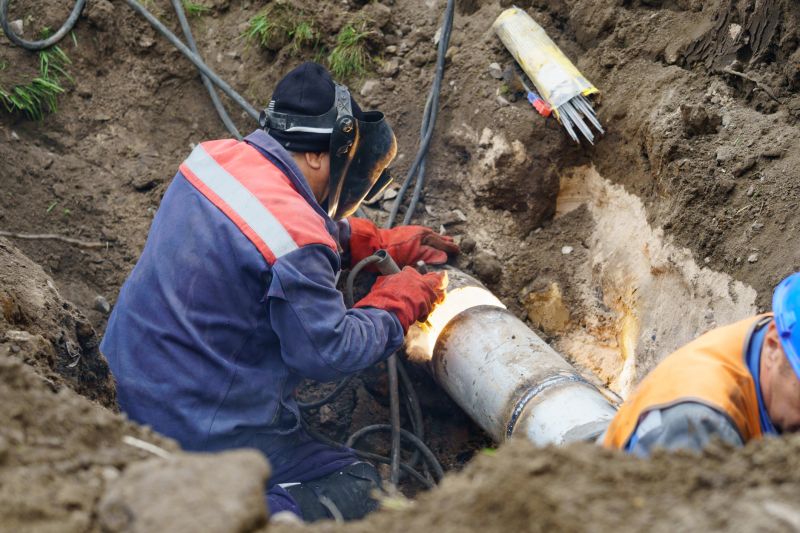
Common Replacement Methods
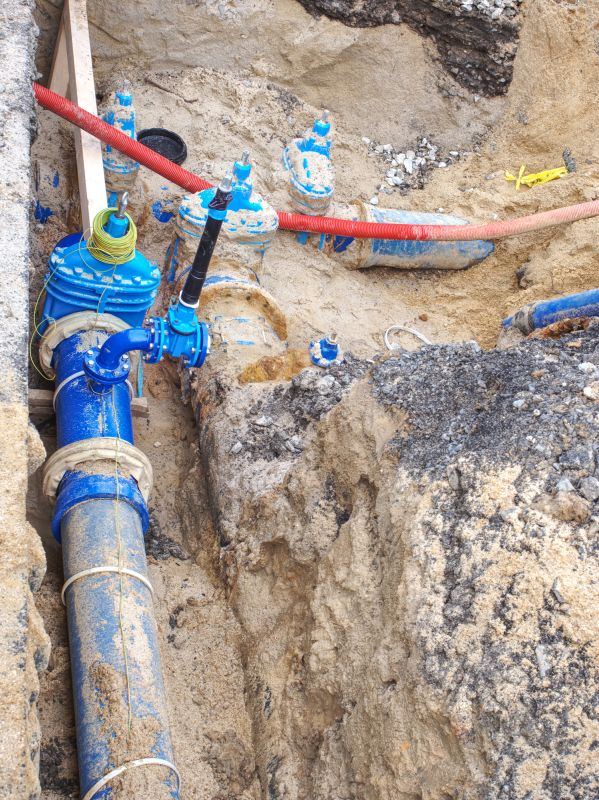
Trenchless and traditional excavation are options for replacing aging or damaged underground pipes.
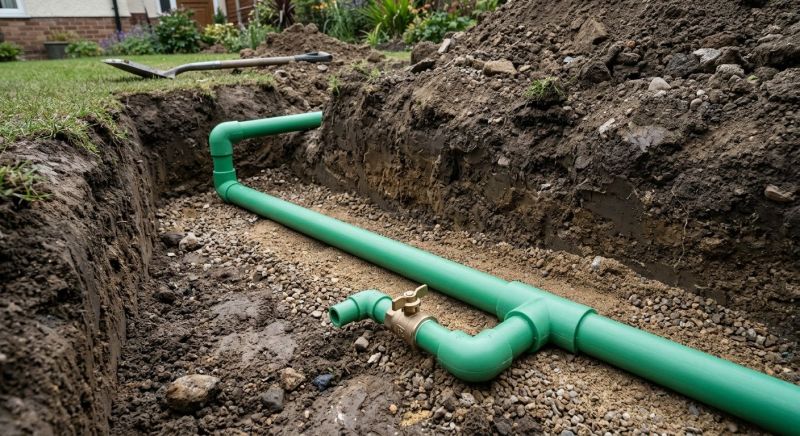
Property Impact And Planning
Underground pipe replacement can help prevent future water damage and restore proper drainage systems in denver properties.
Underground Pipe Replacement in Denver, CO

Underground pipe replacement services involve removing and replacing damaged or aging pipes that are buried beneath a property’s surface. This work typically addresses issues such as persistent leaks, frequent clogs, or pipe deterioration caused by corrosion or shifting soil. Projects can include replacing water lines, sewer lines, or drainage pipes, often requiring careful excavation and restoration of landscaping or paved areas. Property owners should understand the scope of the work, including potential disruptions to outdoor spaces and the importance of accurate pipe location to avoid unnecessary damage during the replacement process.
Homeowners considering underground pipe replacement usually want to know about the signs indicating pipe issues, such as foul odors, slow drains, or unexplained wet spots. It’s also helpful to understand the general process involved, including excavation, pipe removal, and installation of new piping, as well as any necessary permits or property restoration. Clear communication about the project's scope and what to expect can assist property owners in planning for the work and ensuring the replacement addresses current problems effectively.
Many property owners in Denver, CO look into Underground Pipe Replacement for repairs, replacements, upgrades, and appearance-related improvements.
Common Underground Pipe Replacement Jobs
Underground Pipe Replacement - Essential for repairing or upgrading aging or damaged underground pipes.
Sewer Line Replacement - Addresses blockages, leaks, or tree root intrusion in underground sewer lines.
Water Line Replacement - Restores reliable water flow by replacing corroded or broken underground water pipes.
Drain Line Replacement - Eliminates persistent clogs and prevents future backups in underground drain systems.
Trenchless Pipe Replacement - Minimizes surface disruption with non-invasive pipe replacement techniques.
Emergency Pipe Replacement - Provides prompt solutions for urgent underground pipe failures or leaks.
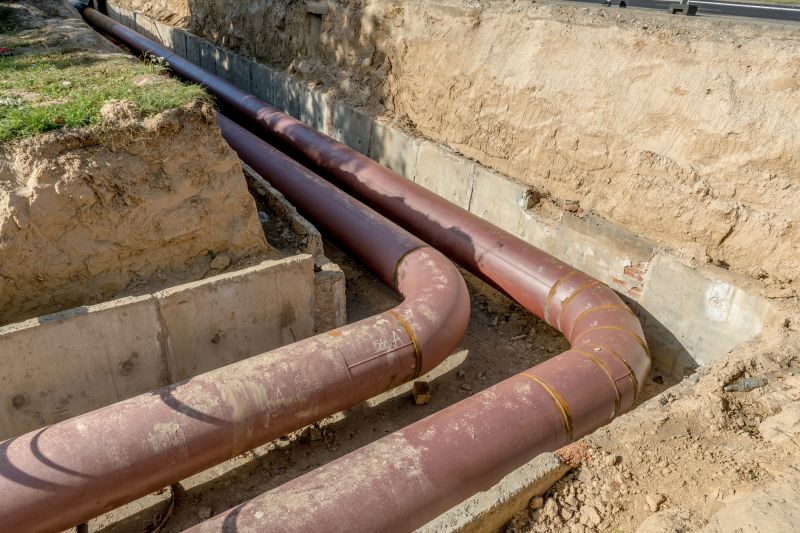
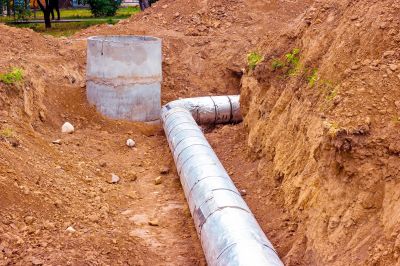
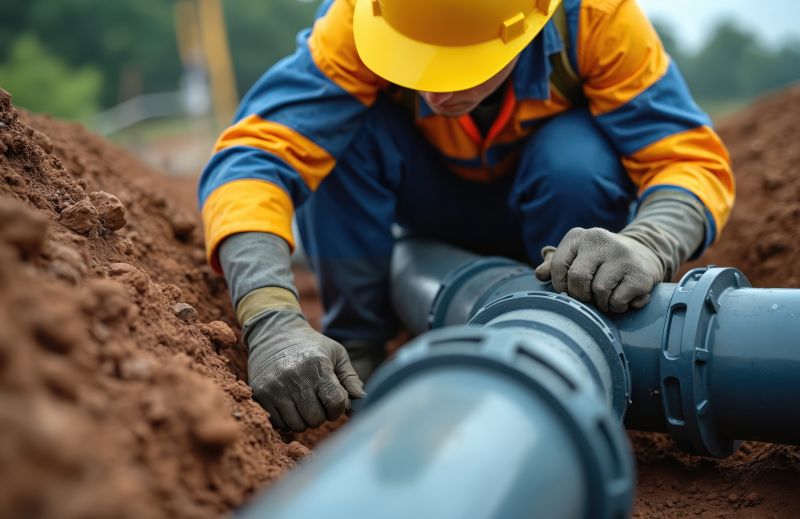
Underground Pipe Replacement Questions
What signs indicate underground pipe replacement is needed? Signs include persistent leaks, low water pressure, and frequent clogs that cannot be fixed with repairs.
What types of pipes are typically replaced underground? Commonly replaced pipes include clay, cast iron, and older PVC sewer and water lines.
Is excavation necessary for underground pipe replacement? Yes, excavation is usually required to access and replace damaged pipes beneath the property.
What should property owners know before starting pipe replacement? Proper planning ensures minimal disruption and helps determine the best approach for long-term reliability.
Request Underground Pipe Replacement in Denver, CO
Use the quote form on this page to share the basics of your project and request more information for the type of work you need.